Battery Energy Storage System (BESS) Explained
A Battery Energy Storage System, or BESS, stores electricity and releases it when needed, making power use more flexible, reliable, and efficient. It helps bridge the gap between when energy is generated and when it is consumed, supporting applications such as peak shaving, backup power, renewable integration, and grid stability across residential, commercial & industrial (C&I), and utility-scale systems. In India, BESS is becoming increasingly important as renewable capacity grows and energy users seek smarter, more resilient energy management.
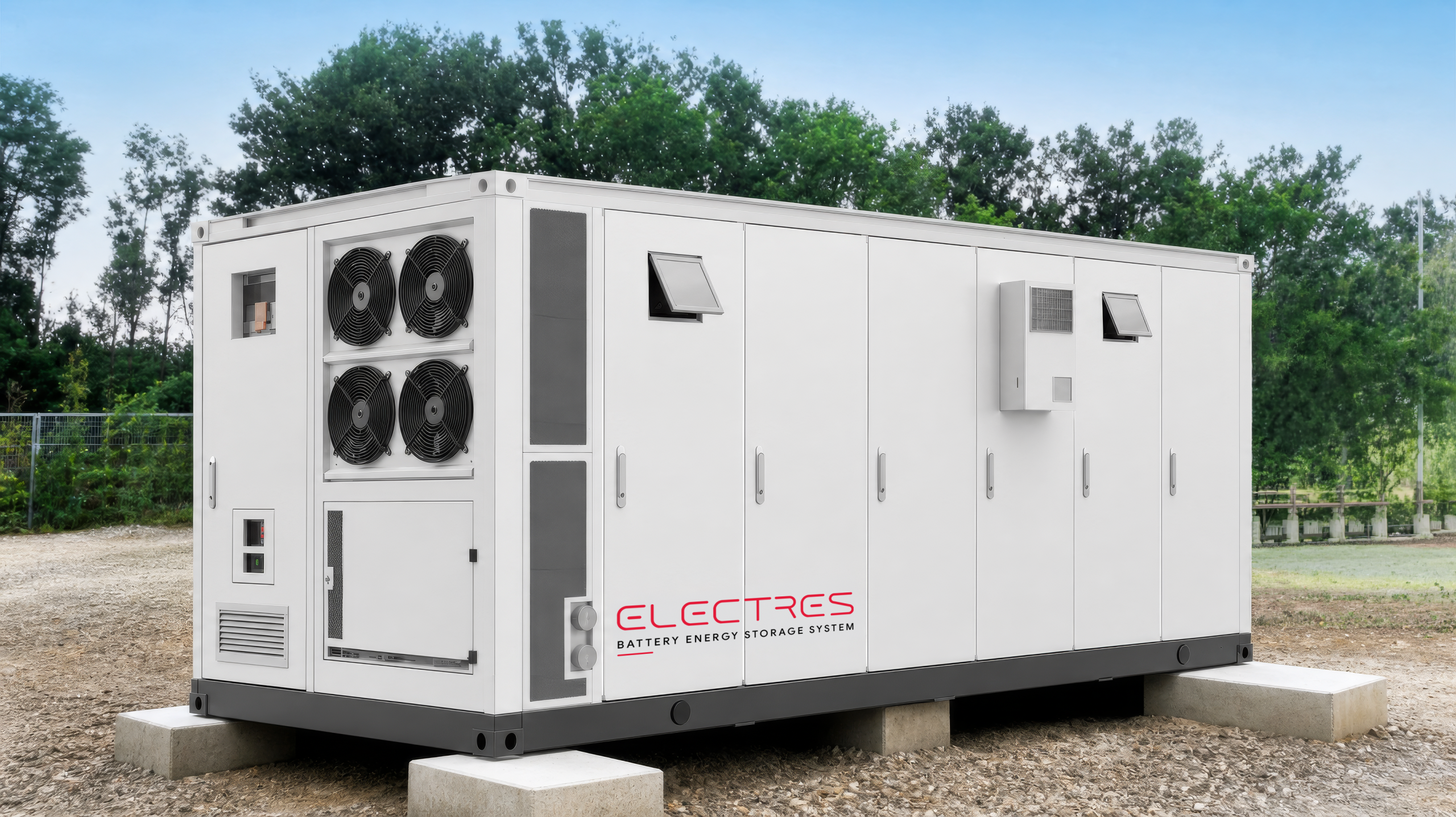
What is Battery Energy Storage System (BESS)?
A Battery Energy Storage System (BESS) is a system that stores electrical energy and releases it when required, allowing power to be used at a different time from when it is generated. Instead of producing electricity like a generator, BESS acts as an energy reservoir within the power system, serving residential users, C&I facilities, and utility-scale operations by capturing available energy and delivering it when demand arises.
This stored energy can come from multiple sources, including solar power plants, wind energy systems, the electricity grid, or hybrid combinations of these. Once stored, it can be used during peak demand periods, power outages, or when electricity tariffs are high, enabling households, industries, and utilities to manage energy more effectively and predictably.
At its core, BESS introduces a capability that traditional power systems did not have: the ability to shift energy across time. It allows residential users, industries, and grid operators to move beyond real-time consumption and operate with greater flexibility, stability, and cost efficiency.
Technical Definition
A Battery Energy Storage System (BESS) is an integrated assembly of battery cells, power conversion systems, and electricity management software that stores electrical energy in chemical form and dispatches it on demand, enabling time-shifting of energy, grid stabilization, and optimized power usage across residential, commercial & industrial, and utility-scale applications.
In a power environment where generation and demand no longer align perfectly, BESS is becoming a foundational layer that enables reliable, flexible, and efficient energy systems across all segments.
How a BESS System Works
A Battery Energy Storage System operates through a continuous cycle of charging, storing, and discharging energy. This process can be understood in three stages, which apply across residential, commercial & industrial (C&I), and utility-scale applications.
1. Charging
Electricity from the grid, rooftop solar panels, or another power source flows into the battery system. The energy is converted into chemical energy and stored inside the battery cells.
Charging typically happens when electricity is abundant or inexpensive (i.e., at a low cost per kWh).
In residential settings, this may occur during daytime solar generation or off-peak grid hours. For C&I facilities, it helps reduce energy costs, and at the utility scale, it supports renewable integration, boosts grid reliability, and prepares the system for peak demand.
2. Energy Storage
Once charged, the batteries hold the energy until it is needed. Modern battery systems are designed to maintain stable energy levels and minimize losses over time.
Energy can remain stored for hours or even days, depending on system design. In homes, this ensures backup power during outages. In C&I setups, it provides reliable continuity for critical operations. At the utility level, it allows shifting renewable energy generation to meet peak load requirements or stabilize the grid.
3. Discharging
When electricity demand increases or supply becomes unreliable, the stored energy is released back into the system.
The battery converts the stored chemical energy into electrical energy and supplies power to homes, commercial facilities, or the utility grid. Residential users can power essential appliances during blackouts, C&I operators can maintain smooth operations and reduce peak charges, and utilities can balance grid loads efficiently. This entire cycle can occur thousands of times during the life of a BESS installation.
Core Components of a Battery Energy Storage System
A BESS installation is more than just a battery. It is an integrated system of technologies working together to serve homes, businesses, and grid-scale operations. The key components include the following:
1. Battery Modules
These are the core energy storage units, consisting of battery cells arranged in modules and racks. Lithium-ion batteries are currently the most widely used due to high energy density and efficiency.
2. Battery Management System (BMS)
The BMS monitors battery performance and ensures safe operation. It continuously tracks:
- Temperature
- Voltage
- Current
- State of charge
- State of health
The system prevents overcharging, overheating, and other safety risks, protecting residential, commercial, and utility users alike.
3. Power Conversion System (PCS)
Batteries store electricity in direct current (DC) form, while most residential appliances, industrial equipment, and power grids operate using alternating current (AC). The PCS converts energy between DC and AC during charging and discharging.
4. Energy Management System (EMS)
The EMS acts as the brain of the system, determining when the battery should charge and discharge. It analyzes factors such as:
- Electricity tariffs
- Solar generation
- Load demand
- Grid conditions
Intelligent algorithms ensure that businesses, and utilities operate efficiently and cost-effectively.
5. Thermal Management Systems
Batteries perform best within specific temperature ranges. Cooling systems maintain safe operating conditions, ensuring longevity for all applications, from home storage to utility-scale installations.
6. Safety Systems
Modern BESS setups include fire protection, ventilation, and multiple safety layers designed to detect and respond to potential issues, safeguarding residential, commercial, and utility environments.
Types of Battery Technologies Used in BESS
Battery Energy Storage Systems use different battery chemistries depending on the application, performance requirements, and cost considerations. The choice of technology is not uniform, as each chemistry offers a different balance of cycle life, energy density, safety, and scalability.
| Technology | Key Strength | Typical Use Case | Status |
|---|---|---|---|
| LFP (Lithium Iron Phosphate) | High thermal safety, long cycle life (4,000+ cycles), stable performance | Utility-scale projects, commercial and industrial storage | Dominant |
| NMC (Nickel-Manganese-Cobalt) | Higher energy density, more compact footprint | Electric vehicles, with selected use in stationary storage applications | Mainstream |
| Lead-Acid (VRLA) | Low upfront cost, well-established, and widely available | Telecom backup systems, UPS applications | Legacy |
| Flow Batteries (Vanadium) | Independent scaling of power and energy, suitable for long-duration storage (8–12 hours) | Grid-scale storage requiring extended discharge duration | Emerging |
| Sodium-Ion | No reliance on lithium or cobalt, potential cost advantage | Stationary storage applications (expected growth post-2026) | Emerging |
In modern BESS deployments for residential, commercial & industrial (C&I), and utility applications, lithium iron phosphate (LFP) is the preferred choice due to its strong safety profile, long life, and consistent performance. In homes, it ensures reliable backup and solar storage; in C&I, it supports cost control and operational continuity; and at the utility scale, it enables grid balancing and renewable integration. As storage needs evolve, especially for longer-duration applications and cost optimization, alternative chemistries are gradually gaining relevance.
Applications of Battery Energy Storage System (BESS)
Battery Energy Storage Systems are deployed across three primary segments, each defined by different operational needs, technical configurations, and economic drivers. While the core function remains the same, storing and dispatching energy, the way BESS is used varies significantly across grid, industrial, and residential environments.
Utility-Scale: Grid Balancing and Renewable Firming
At the grid level, BESS is deployed by utilities and system operators to maintain stability and reliability in large power networks. One of its primary roles is managing frequency deviations by instantly injecting or absorbing power to keep the grid within safe operating limits.
BESS also plays a critical role in firming renewable energy. Since solar and wind generation are inherently variable, large-scale storage systems help smooth out fluctuations by storing excess generation and supplying it when output drops. In addition, BESS allows utilities to defer or avoid expensive transmission and distribution upgrades by managing peak loads more efficiently.
Commercial and Industrial: Peak Shaving and Diesel Generator Offset
In commercial and industrial settings, BESS is primarily used to reduce energy costs and improve operational reliability. One of the most common applications is peak shaving, where stored energy is used during high-demand periods to reduce peak load and lower demand charges.
Powered by an intelligent energy management system, BESS can strategically charge during lower-tariff hours and discharge when power costs are higher, enabling smarter day-long energy optimization. When paired with solar, it can store surplus daytime generation and deploy it later, improving self-consumption and reducing reliance on high-cost grid electricity.
For facilities such as factories, data centers, and large campuses, BESS becomes a tool for both cost optimization and uninterrupted operations.
Residential: Solar Storage and Backup Power
In residential applications, BESS is typically paired with rooftop solar systems to improve energy independence. During the day, excess solar generation is stored in the battery instead of being exported to the grid. This stored energy is then used during the evening or at night.
BESS also provides backup power during grid outages, ensuring that essential household loads continue to operate. As electricity tariffs become more dynamic and grid reliability varies across regions, residential BESS is increasingly used to gain greater control over energy usage and costs.
Why BESS Matters for India Right Now
India is undergoing one of the world’s largest energy transitions, aiming for 500 GW of renewable capacity by 2030. While this growth is crucial for sustainability, it introduces a challenge: ensuring electricity is available reliably when needed. This is where BESS becomes essential across residential, commercial & industrial (C&I), and utility segments. In homes, rooftop solar generation peaks during the day, but household demand often rises in the evening. BESS allows households to store surplus solar energy for later use, reducing reliance on grid supply or costly backup solutions. For residential users in states where DISCOMs apply time-of-day tariffs, the system can support time-based discharge scheduling if the inverter or battery setup allows it. Homeowners can manually set discharge timings, such as using stored energy during evening demand periods or higher-tariff hours, helping them reduce dependence on grid supply and manage overall electricity costs more efficiently. In C&I facilities, BESS helps manage energy costs and ensures operational continuity, particularly when industrial demand does not align with renewable generation. At the utility scale, BESS stores excess renewable power during low-demand periods and dispatches it during peak hours, improving grid stability and minimizing curtailment. Policy support is driving adoption. The government’s Viability Gap Funding (VGF) scheme encourages utility-scale storage projects, while amendments to electricity rules and incentives for co-located solar-plus-storage projects create a favorable environment. For C&I and residential users, regulatory measures and incentives for cleaner backup and rooftop solar integration further accelerate deployment.
Honest Assessment
BESS in India is no longer a future concept, but remains in the early stages of large-scale deployment. Costs have declined, but the economics vary by segment.
- Residential: The value is highest when households want to store rooftop solar for evening use, reduce grid dependence, or ensure reliable backup during outages.
- Commercial & Industrial (C&I): BESS is most beneficial when demand peaks do not align with renewable generation, diesel backup is costly, or exposure to variable tariffs affects operational costs.
- Utility: At the grid level, BESS becomes strategic when there is a significant mismatch between renewable supply and peak demand, or when curtailment of solar and wind needs to be minimized to maintain stability.
In these conditions, BESS moves from being an optional addition to a strategic energy asset across homes, industries, and utilities.
The Real Challenges of BESS and How the Industry Solves Them
Any technology worth deploying requires a clear and honest evaluation. BESS is no exception. While the benefits are well established, there are practical concerns that decision-makers evaluate before adoption. These challenges are real, but so are the solutions that the industry and providers like Electres have developed to address them.
Challenge 1: Battery Degradation Over Time
All batteries degrade with use. Over repeated charge and discharge cycles, the capacity gradually decreases over time. For residential users, this affects how long backup power and stored solar energy remain available. In commercial and industrial settings, degradation influences performance consistency and cost savings over time. At the utility level, it impacts how effectively energy can be dispatched to meet demand. The rate of degradation depends on factors such as battery chemistry, duty cycle, temperature, depth of discharge, and overall operating profile.
How It Is Addressed
Modern BESS design incorporates degradation into both technical planning and financial modeling. Performance projections are based on lifecycle output rather than initial capacity, ensuring realistic expectations. Advanced energy management systems control charging and discharging to optimize usage patterns and slow degradation. This approach helps maintain reliable performance for homes, consistent cost savings for C&I facilities, and stable dispatch capability for grid-scale applications within defined warranty limits.
By applying these design principles, Electres BESS solutions ensure predictable long-term performance, keeping capacity and savings aligned with operational needs over time.
Challenge 2: Thermal Management in Indian Conditions
Battery systems operate within defined temperature ranges for safety and performance. In India, where high ambient temperatures are common across regions, thermal management becomes a critical design requirement. For residential systems, this directly affects safety and installation reliability. In commercial and industrial environments, temperature control is essential to maintain uninterrupted operation. At the utility scale, exposure to varying climate conditions makes consistent thermal performance a key factor in system reliability.
How It Is Addressed
Electres BESS solutions for Indian conditions comes with integrated thermal management, active cooling, and cell-level monitoring. The system is engineered to operate reliably in high ambient temperatures, ensuring consistent performance and safety across applications. This approach guarantees safe operation in homes, stable performance in C&I facilities, and dependable operation for large-scale grid installations over the long term.
Challenge 3: Supply Chain Concentration
BESS projects require coordination across multiple components, system interfaces, and site conditions, which can influence deployment timelines and overall performance. For residential users, this involves integration with rooftop solar and existing electrical systems. In commercial and industrial settings, systems must align with load profiles and operational requirements. At the utility level, integration with grid infrastructure and renewable energy sources adds further complexity.
How It Is Addressed
These challenges are managed through standardized system design, careful planning, and coordinated execution across all stages of deployment. Pre-engineered solutions and early alignment between stakeholders help simplify integration and reduce uncertainty. This approach ensures smoother installation for homes, predictable performance for C&I facilities, and reliable deployment at the grid level. Systems like Electres BESS follow these practices to maintain control over timelines, integration, and operational outcomes.
Each of these challenges reflects a real consideration in BESS adoption, but with proper system design, financial planning, and operational oversight, they become manageable variables rather than limiting factors.
FAQs
What is the lifespan of a BESS?
What is the difference between BESS and UPS?
What do MW and MWh mean in BESS?
Is BESS the same as a solar battery?
How much does a Battery Energy Storage System cost?